September is the pivot. The AC's marathon is over, the furnace is about to audition, and for one glorious month the weather is on your side — cool enough to work outside all afternoon, dry enough for paint and stain to cure, warm enough that nothing's urgent yet. That last part is the trap. Everything on this list is easy in September and miserable in November, and the difference between the two is whether you spend one Saturday on it now.
As always, there's a 20-minute version at the bottom. But this is genuinely the best month of the year to be a homeowner with a list — the weather practically apologizes for July.
1. The Deck Staining Window Is Open — This Was the Plan
Back in July, the barefoot check told you whether the deck was thirsty: water soaking in instead of beading meant note it for September, because summer heat cooks stain before it can cure. September's cool nights and trustworthy forecasts are exactly what stain wants, and the whole project — which stain, the wash-dry-stain schedule, the thin-coat rule — is laid out in the deck staining weekend plan. It's two weekends with a week of free drying time in between, which means starting it this month, not remembering it in October.
Same logic applies to any exterior painting or caulking you flagged over the summer: the 50-to-85-degree window that cures deck stain properly is also the window for touch-up paint on sun-beaten trim and fresh exterior caulk. The caulking guide covers technique; September covers the weather.
2. Give the Furnace Its Dress Rehearsal
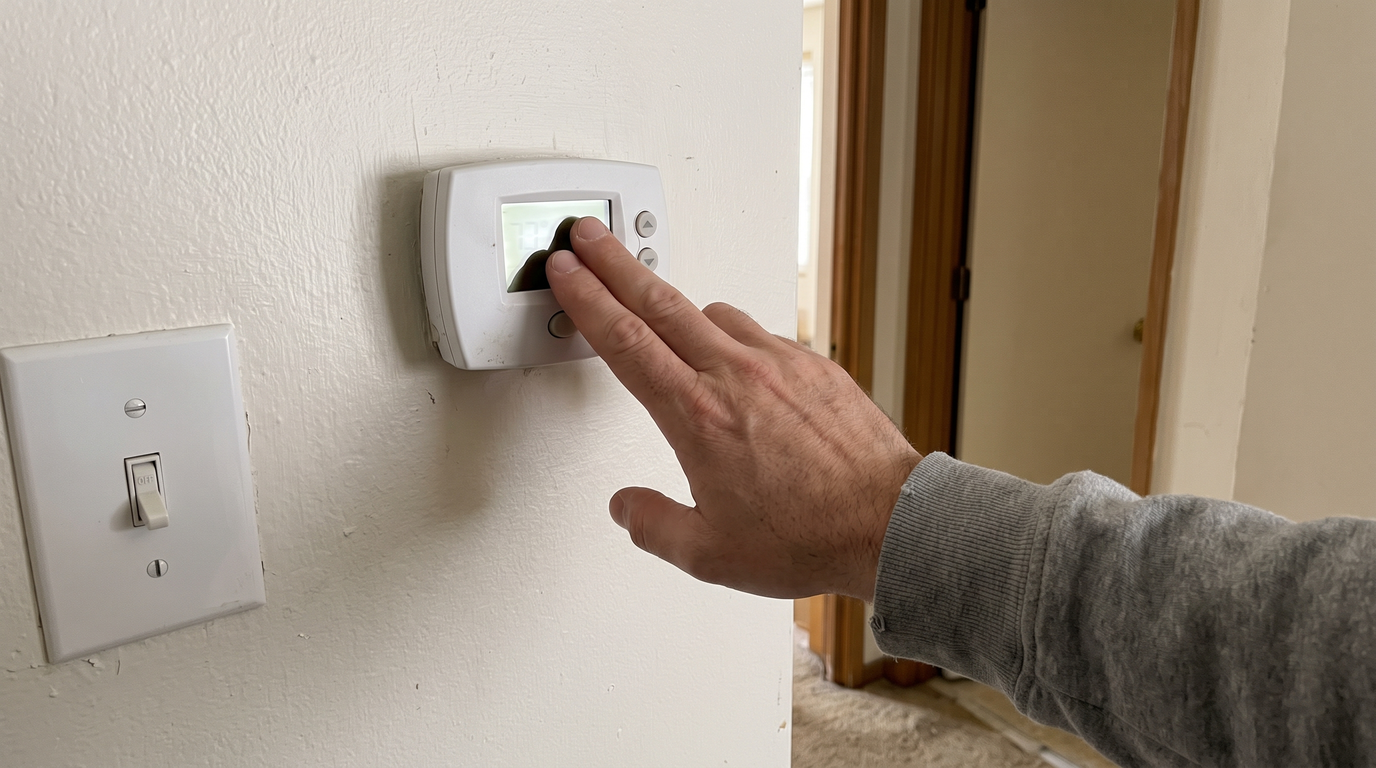
Don't let the first cold night in October be the furnace's first start since April. Pick a mild evening this month and run the audition: swap in a fresh filter (the summer's cooling season used the same one), set the thermostat to heat, push it a few degrees above room temperature, and let the system run a full fifteen minutes. A faint burning-dust smell for the first few minutes is normal — that's the summer's dust cooking off the heat exchanger. What's not normal: the smell persisting, short cycling on and off, banging or shrieking from the ductwork, or rooms that get airflow in cooling mode but nothing in heat.
If you booked the fall tune-up during August's quiet window, this test is how you show up to that appointment with a specific complaint instead of a vague one. If you didn't book it — do it today, because the first cold snap creates a two-week backlog at every HVAC company simultaneously. While you're in heating mindset: walk the house and make sure supply vents aren't blocked by the furniture that migrated over summer, and if you have radiators, this is bleed-the-air month.
The $5 co-star
Test the smoke and CO detectors the same evening — heating season is when carbon monoxide risk returns, and the furnace test is a natural anchor for the habit. Any detector with a 2017-or-earlier date stamped on the back is past its 10-year service life no matter how confidently it chirps.
3. Start the Lawn's Most Important Six Weeks
Spring lawn care is triage; fall is construction. Cool-season grass does its real growing in September's warm-soil-cool-air combination, seed put down now grows up without crabgrass competition, and the September feeding is the one that thickens a lawn instead of just making it taller. The full playbook — when aeration is actually worth it, the 45-days-before-frost seeding deadline, and the leaf-mulching trick that feeds the lawn for free — is in the new fall lawn care guide. If the yard gets one month of your attention this year, this is the month that compounds.
4. Walk the Gutters and Roof Before the Leaves Commit
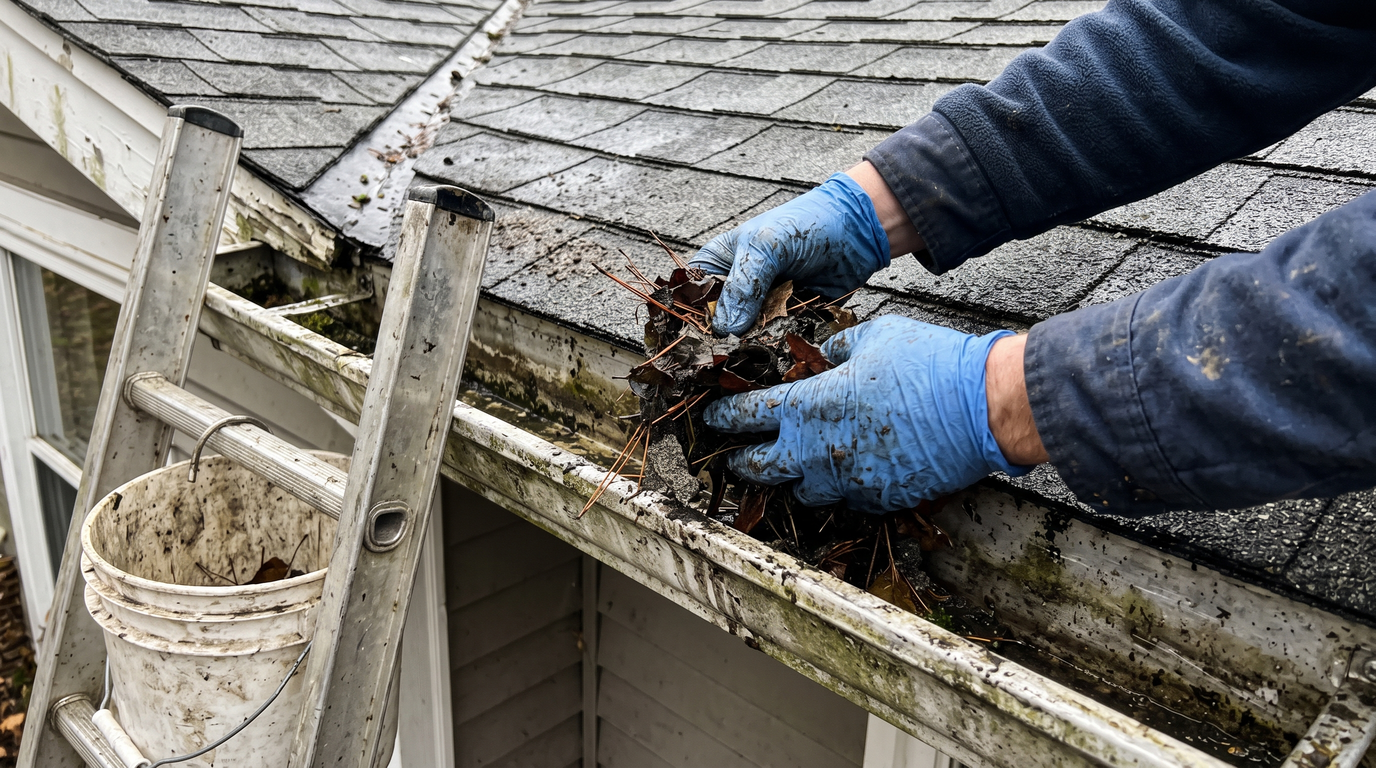
The big gutter cleaning belongs after leaf drop — but September is the pre-season inspection that makes it a chore instead of a repair. On a dry day, get eyes on the gutters (from a ladder or from upstairs windows): clear the summer's accumulation of seed pods and shingle grit, confirm downspouts actually discharge away from the foundation, and check for sections pulling loose — a gutter that's slightly saggy now will be holding forty pounds of wet November leaves later. While you're up there, scan the roof for shingles that summer storms lifted or cracked, and look at the flashing around chimneys and vents. A $30 tube of flashing sealant in September is a ceiling stain that never happens in December.
Ground-level version if ladders aren't your thing: during the next good rain, walk the perimeter with an umbrella. Water sheeting over a gutter edge or a downspout producing nothing tells you exactly where the problem is, for free.
5. Seal the Envelope Before the Wildlife Reads the Listings
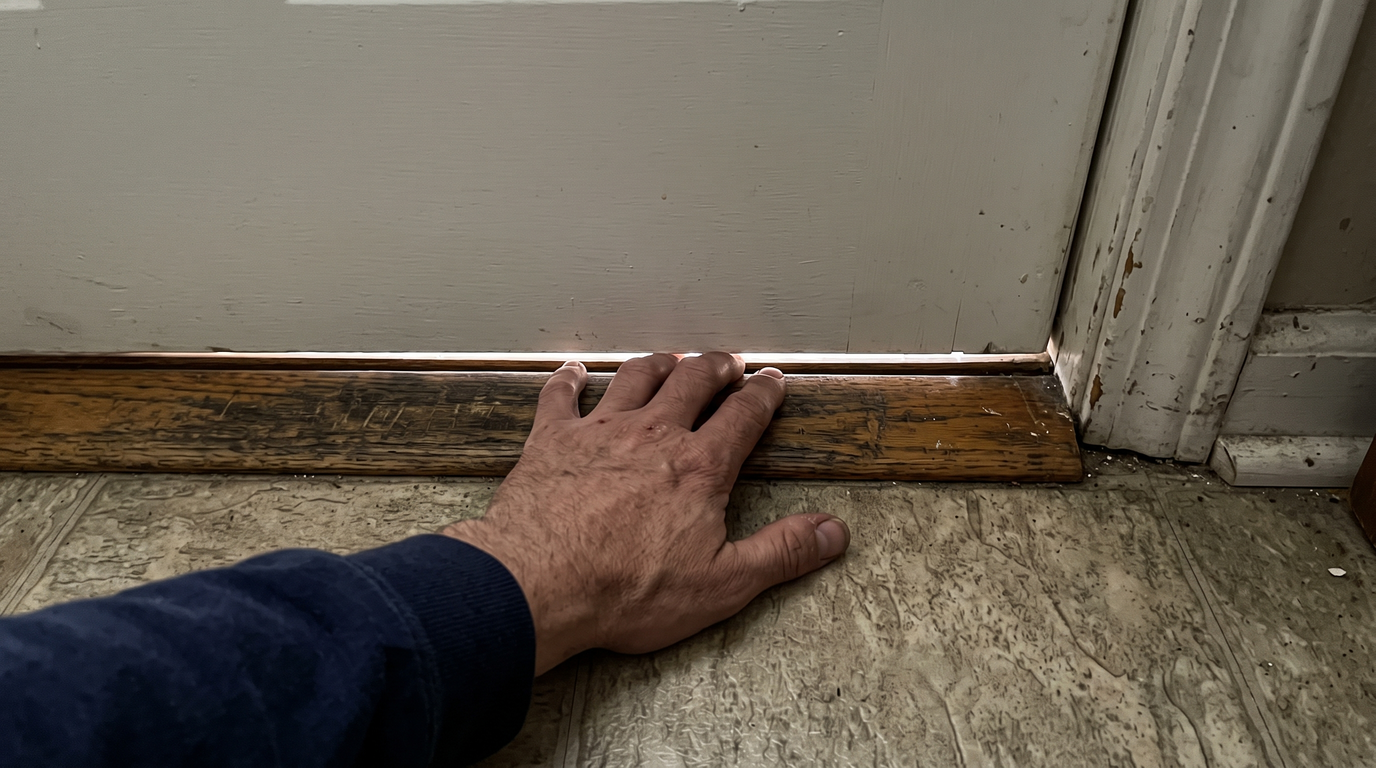
Every mouse, spider, and stink bug in the neighborhood starts shopping for winter housing when nights drop into the 50s — and their move-in date is before yours. The exclusion walk takes half an hour: check under every exterior door for visible daylight (a door sweep is a ten-minute fix), stuff steel wool into gaps where pipes and cables enter the house before sealing over them (mice laugh at caulk alone; they don't laugh at steel wool), make sure the dryer vent's exterior flap actually closes, and confirm crawlspace and foundation vents have intact screens. A mouse needs a dime-sized hole. The weatherstripping pays twice — the same gaps that admit mice admit November drafts, and sealing them now is the cheapest heating upgrade in the house.
6. Wind Down the Summer Equipment
Nothing needs to be winterized yet — but September is when the wind-down starts so October isn't a scramble:
- Irrigation: taper the controller's schedule down as temperatures drop (new grass seed excepted — that's on its own daily schedule), and book the blowout for before your area's first hard freeze. The blowout companies backlog exactly like the furnace people do.
- The grill: keep cooking — but if the season's winding down at your house, run the twice-a-season checkup from the grill maintenance guide now, while a warm afternoon makes it pleasant. The full winterizing treatment comes later in fall.
- The mower: it has 6–8 weeks of work left, so just note the fuel situation — the last tank of the season should be run dry or stabilized, so stop topping it off in October.
- Hoses and spigots: nothing to do yet except know where the interior shutoffs for exterior faucets are. You'll want them found before the first freeze warning, not during it.
- Outdoor furniture and umbrellas: give cushions a wash on a warm day so they're stored clean, not scrubbed frozen in November.
7. A Quick Interior Round
Fifteen minutes inside, mostly about water and the change of season:
- Flush a bucket's worth from the water heater — hook a hose to the drain valve and run water until it goes clear. Summer sediment insulates the burner from the water, which is money. (Full flush annually; the bucket version is the maintenance-lite habit.)
- Test the sump pump with a bucket of water — fall rains are its second season, and the failure discovery method should not be the first October storm.
- Reverse-check the washing machine hoses and under-sink connections — thirty seconds of looking for bulges and drips, the cheapest flood insurance there is.
- Swap the HVAC filter on the first of the month — if the back-to-school calendar-page habit from August stuck, this is its second rep.
- Humidifier owners: if the furnace has one, this is the month to drop in a fresh pad and open the damper — set it up before heating season, not two dry-skin weeks into it.
The 20-Minute Version
Only have 20 minutes? Three things: run the furnace fifteen minutes with a fresh filter, test the smoke and CO detectors while it runs, and book the irrigation blowout and furnace tune-up if they're not booked. That covers the no-heat-on-the-first-cold-night emergency, the only detectors that matter, and the two appointments that vanish first. The deck and the lawn are the month's real prizes — but they each want their own Saturday, and they have their own guides.
The monthly rhythm is the whole trick — none of this is a project if you catch it in September. The August checklist handed this month the bookings; October picks up the gutters-for-real, the first freeze, and the outdoor shutdown. In between, enjoy the one month the house asks almost nothing and the weather gives almost everything.