The Day I Realized I'd Neglected My HVAC Filter (And Everything Got Better)
Last November, I was sitting in my living room wondering why our heating bills had skyrocketed. My wife had been mentioning that the house felt stuffy, and I kept chalking it up to winter. Then one afternoon, I decided to check our HVAC filter—you know, the one I thought I was being so responsible about.
I had literally not changed it in seven months.
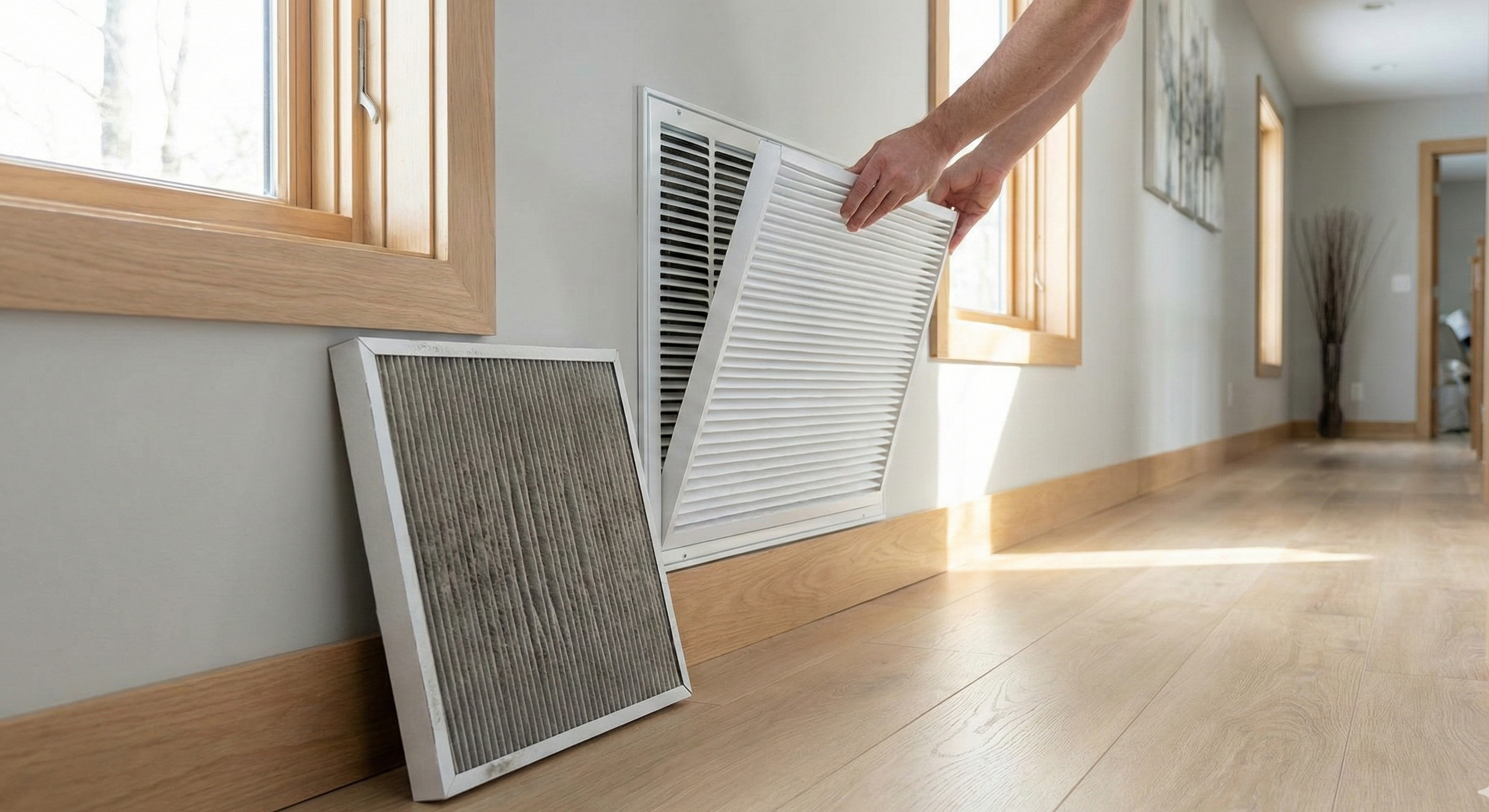
Seven. Months. It was brown. Not dusty-gray, but actual dark brown. I could barely see light through it. When I pulled it out and saw what we'd been breathing, running our system through, I felt equal parts embarrassed and motivated. I grabbed a new one from the hardware store (cost me $18), slid it in—took about ninety seconds—and here's the thing: within a week, our house felt different. The air felt cleaner. The heating worked better. And our next energy bill was noticeably lower.
That was the moment I realized that something this simple could make such a real difference. Since then, I've learned a lot more about HVAC filters, and I'm going to share it all with you. If your filter is anything like mine was, it's probably overdue.
Why Your HVAC Filter Actually Matters
I get it—a filter is just this rectangular thing sitting somewhere in your house that you forget about. It doesn't feel important until something goes wrong. But here's why it actually is important, and I promise this won't be preachy.
Air Quality in Your Home
Your filter is literally the only thing between the dust, pollen, pet dander, and debris in your home and the air you're breathing. A clean filter traps those particles. A dirty filter? It lets stuff through and reduces airflow, which means your system has to work harder to pull air through. That's not just bad for efficiency—it's bad for the air you're living in.
System Efficiency and Lifespan
When your filter gets clogged, your furnace or AC unit has to run longer and harder to push air through. It's like trying to breathe through a straw versus breathing normally. Over time, that extra strain wears out your system faster. People spend thousands replacing furnaces that could have lasted years longer if they'd just changed the filter regularly.
Energy Bills
A dirty filter means your system runs longer. A longer-running system uses more energy. More energy means higher bills. Research shows a clogged filter can increase energy consumption by 15-25%. That's real money.
The bottom line: Changing your filter is one of the highest-ROI home maintenance tasks you can do. It costs $15-50, takes 5 minutes, and pays for itself in energy savings while making your home healthier.
How Often Should You Change It? (Spoiler: Not Always Every 30 Days)
Here's where a lot of people get confused. You've probably seen filters that say "change every 30 days" and thought that was universal. It's not.
The truth is: it depends on your filter type, your home, and your habits.
Standard Fiberglass Filters
These are the cheapy filters, usually $5-10. They do trap some dust, but they're pretty basic. If you have one of these, change it every 30 days. No question.
Pleated Filters
These have more surface area (you can see the pleats), which means they trap more stuff and last longer. A pleated filter can usually go 90 days. They cost a bit more ($15-25) but are worth it.
If You Have Pets
Pet hair and dander load up filters faster. If you have dogs or cats, check your filter every month. It might need changing at 30 days even if it's a pleated filter. If you have multiple pets or a shedding breed, you might be changing it every 3-4 weeks.
If Someone Has Allergies
A cleaner filter means fewer allergens circulating. If anyone in your home has allergies or asthma, stick to a 30-day schedule and consider a higher-MERV filter (more on that in a sec).
If You Have Decent Air Quality and No Pets
You might stretch a pleated filter to 120 days. But honestly, if you're reading this and you haven't changed your filter in months, assume you need to change it now and then reassess.
The real test: Look at the filter. If it's noticeably gray or brown, it's time. If it still looks mostly white, you're fine. When in doubt, check it every 30 days. It takes a minute.
Understanding MERV Ratings (And No, Bigger Isn't Always Better)
MERV stands for Minimum Efficiency Reporting Value. It's basically a rating system that tells you how much stuff a filter can trap.
MERV ratings go from 1 to 16 (sometimes 17-20 for specialty filters). Here's what you need to know:
- MERV 1-4: These are basically useless. They only trap large dust particles. Skip these.
- MERV 5-7: Still pretty basic. Okay for no allergies, no pets, newer homes. Most people should upgrade.
- MERV 8-11: This is the sweet spot for most homes. Traps pollen, dust, pet dander, mold spores. Good filtration without restricting airflow too much.
- MERV 13-16: These are really good. Great for allergies, pets, or poor air quality. But they can be restrictive, and if your system isn't built for it, they'll make your furnace/AC work harder.
- MERV 17+: These are HEPA-level filters. Unless your system is specifically designed for them or you have severe health needs, skip these. They can damage your system.
Here's the thing about MERV ratings that a lot of people don't realize: higher MERV isn't always better. If you put a super-high-MERV filter in a system that can't handle the airflow restriction, your furnace will work harder, you'll use more energy, and you might damage your system.
Before you upgrade to MERV 13 or higher: Check your furnace's manual or call your HVAC tech. They can tell you the max MERV your system is designed for. If your system is older or not sized for high-MERV filters, stick with MERV 8-11.
My recommendation for most people: Start with MERV 8-11. If no one in your house has allergies and you don't have pets, MERV 8 is fine. If you have pets or allergies, go MERV 11. If you're really struggling with air quality, talk to an HVAC pro before going higher.
How to Find Your Filter (It's Easier Than You Think)
Okay, so you want to change your filter, but you have no idea where it is. Fair. Let me walk you through where to look.
Location 1: In a Return Air Vent (Most Common)
Walk around your home and look for a large vent or grill in a wall or ceiling. It's usually white or metal and looks like it's pulling air in (as opposed to blowing air out). That's your return vent. If it's on the wall or ceiling, you can probably slide the filter right out of there. It might have a door or frame.
Location 2: In Your Air Handler (Basement, Attic, or Closet)
If you can't find a return vent, your filter is probably in your air handler—the indoor unit of your HVAC system. This is usually a large metal box in your basement, attic, garage, or a closet. Open it up (there are usually latches or screws) and you'll see the filter inside. It's often mounted in a slot on the side or bottom.
Location 3: Call Someone
If you're totally stuck, this is what HVAC techs are for. One quick call and they can tell you where it is. Don't stress about it.
How to Check the Filter Size
Once you find your filter, note the dimensions. They're usually printed on the frame in this format: 16x25x1 or 20x25x4. This tells you height x width x thickness. Bring this info to the store or search online, and you'll find your replacement.
Common sizes are:
- 16x25x1
- 20x25x1
- 20x25x4
- 16x25x5
If you're unsure, snap a photo of the old filter and bring it to the store. Hardware store employees deal with this every day.
Step-by-Step: Changing the Filter (Seriously, This Takes 5 Minutes)
Step 1: Turn Off Your HVAC System
Go to your thermostat and turn it off. You want the system quiet and still so dust doesn't get blown around your home. This takes about 30 seconds.
Step 2: Locate Your Filter
Go find it using the instructions above.
Step 3: Note the Airflow Direction
Before you remove the old filter, look for an arrow on the frame. This arrow shows which direction air is supposed to flow. This is important: the arrow should point toward the furnace or air handler (downstream), not toward the return vent. It's really easy to mess this up, so pay attention.
Step 4: Slide Out the Old Filter
Just pull it out slowly. Yeah, it's probably gross. That's normal.
Step 5: Install the New Filter
Slide the new filter in with the arrow pointing in the same direction the old one was pointing (toward the furnace/air handler). Make sure it fits snugly—no gaps around the edges. If it doesn't fit, you might have the wrong size. Double-check before giving up.
Step 6: Turn the System Back On
Go back to your thermostat and turn the system on.
Step 7: Write the Date on the Filter
Take a marker and write today's date on the edge of the filter frame. This way, when you check it in a few weeks, you'll know exactly when you installed it. Future you will thank present you.
That's it. You're done. Seriously.
Pro tip: If your filter is really hard to pull out, don't force it. It might be stuck from dust. Gently wiggle it side to side and pull slowly. If it's still stuck, turn off the system, wait 10 minutes, and try again. The dust might settle a bit.
Filter Types Compared: Which One Should You Buy?
There are several types of HVAC filters out there. Here's a breakdown so you know what you're getting:
| Filter Type | Cost | Lifespan | Filtration Quality | Best For |
|---|---|---|---|---|
| Fiberglass | $5-10 | 30 days | Basic (MERV 2-4) | Budget-conscious, no pets/allergies |
| Pleated | $15-25 | 90 days | Good (MERV 8-11) | Most homes; best value |
| Electrostatic | $20-35 | Reusable (1-3 years) | Very Good (MERV 4-10) | Environmental focus, long-term savings |
| HEPA | $50-100+ | 6-12 months | Excellent (MERV 13-16) | Severe allergies, health concerns |
More Details on Each Type
Fiberglass: These are the cheapest and most common. They're basically layers of fiberglass fiber. They trap some dust but not much. Change monthly. Only buy these if money is tight.
Pleated: These look like an accordion. The pleats give them way more surface area, so they trap more particles and last longer. They're the best value for most people. I recommend these.
Electrostatic: These use an electrical charge to attract particles. They're reusable—you can wash and dry them instead of replacing. Great for the environment and your wallet long-term. The downside: they need washing every month, and they're not always as effective as pleated filters. Some people love them, some find the maintenance annoying.
HEPA: High-Efficiency Particulate Air filters. These are serious business. They filter out 99.97% of particles down to 0.3 microns. If you have severe allergies, asthma, or immunocompromised household members, these are worth it. But they're expensive and need the right system to work properly.
For the average person: go with a pleated filter (MERV 8-11), change it every 90 days, and call it a day.
Setting Up a Reminder System (So You Don't Forget Again)
The hardest part about changing your filter isn't actually changing it. It's remembering to do it. Here are some systems that actually work:
Phone Reminder
Set a recurring reminder on your phone. If you have a 90-day filter, set a reminder for every 90 days. This is the most reliable method. It actually works.
Write the Date on the Filter
Every time you install a filter, write the date on it with a marker. When you're setting your thermostat or passing the furnace room, you'll see it and remember when it's due.
Calendar Notation
Grab a wall calendar and mark the date you installed the filter, plus 90 days out. When that date comes up, change it.
Bundle with Another Task
Some people change their filter on a specific date every season (first of the month, on their birthday, whenever). Pick a memorable date and tie it to a habit. "Every spring, I change the filter." Now it's part of your routine.
Set a Digital Reminder
Many smart thermostats (like Nest or Ecobee) actually remind you when your filter needs changing. If you have a smart thermostat, use that feature. It's literally designed for this.
Pick one method and stick with it. I use phone reminders because I'm on my phone anyway.
FAQ: Everything Else You Want to Know
What if I put the filter in backwards?
⌄Your system won't work right. Air can still flow through a backwards filter, but it won't be filtered properly. The arrow on the filter frame shows the direction of airflow—make sure it points toward the furnace or air handler, not the return vent. If you think you installed it backwards, turn off the system, flip it, and turn it back on. No harm done as long as you fix it quickly.
Can a really dirty filter damage my system?
⌄Yes, potentially. A clogged filter forces your furnace or AC to work way harder. Over time, this extra strain can wear out components faster. You might see a frozen AC coil in summer or the furnace overheating in winter. It won't instantly break your system, but it will shorten its lifespan. This is why changing it regularly is so important.
Do I really need an expensive filter, or is the cheap one okay?
⌄It depends on your situation. If nobody in your house has allergies and you don't have pets, a basic fiberglass filter is fine. You'll just need to change it monthly. If you have pets or anyone with allergies, upgrade to a pleated filter (MERV 8-11). The extra $10-15 per filter is worth it, and you'll change it less often. Spending $40/year on better filters beats spending $2,000 on furnace repairs.
Where do you buy HVAC filters? Are they all the same?
⌄You can buy them anywhere: Home Depot, Lowes, Amazon, Walmart, local hardware stores, or directly from HVAC suppliers. Brands vary (Merv, Honeywell, Lennox, etc.) but if you're buying the same size and MERV rating, the basic quality is pretty comparable. Some brands are slightly better-made, but honestly, a $20 pleated filter from Lowe's works great. Don't overthink this part.
What happens if I use the wrong size filter?
⌄It won't fit properly, and air will leak around the edges instead of going through the filter. This means unfiltered air enters your system. Just go back to the store and exchange it for the right size. Write down your filter dimensions (they're printed on the old filter) and don't leave without confirming it's right.
Can I clean my filter instead of replacing it?
⌄It depends on the filter. Electrostatic filters are designed to be washed and reused—that's their whole thing. Standard fiberglass and pleated filters aren't meant to be washed. You can try vacuuming them gently to extend their life by a week or two, but it's not a permanent solution. Once they're dirty, replace them. It's cheaper and easier than trying to get them clean.
Final Thoughts: Your HVAC Filter Is Your Friend
I know this is a lot of information about something that's basically invisible to most people. But here's why I'm laying it all out: your HVAC filter is one of those small things that separates people who have comfortable, healthy homes with low energy bills from people who are constantly frustrated.
My old filter—the one that hadn't been changed in seven months—was robbing me of all three: comfort, health, and money. Replacing it took five minutes and cost less than a tank of gas.
So here's my ask: if you can't remember the last time you changed your filter, go do it today. Right now, actually. Fifteen minutes from now, your house will start feeling better. Your system will be happier. Your energy bill will thank you next month.
And then set a reminder so you don't have to read this article again in another seven months.
You've got this.