If you've walked through the lawn mower aisle lately (or scrolled through one online), you've probably noticed something: battery-powered mowers are everywhere now. Just a few years ago, the choice was simple — you grabbed a gas mower and called it a day. Today? The landscape has completely shifted, and the battery-vs-gas debate is one of the most common questions I hear from homeowners.
Here's the thing: neither option is universally "better." The right mower depends on your yard, your budget, and honestly, how much you care about things like weekend maintenance and how your neighbors feel about noise at 8 AM on a Saturday. Let's walk through everything you actually need to know.
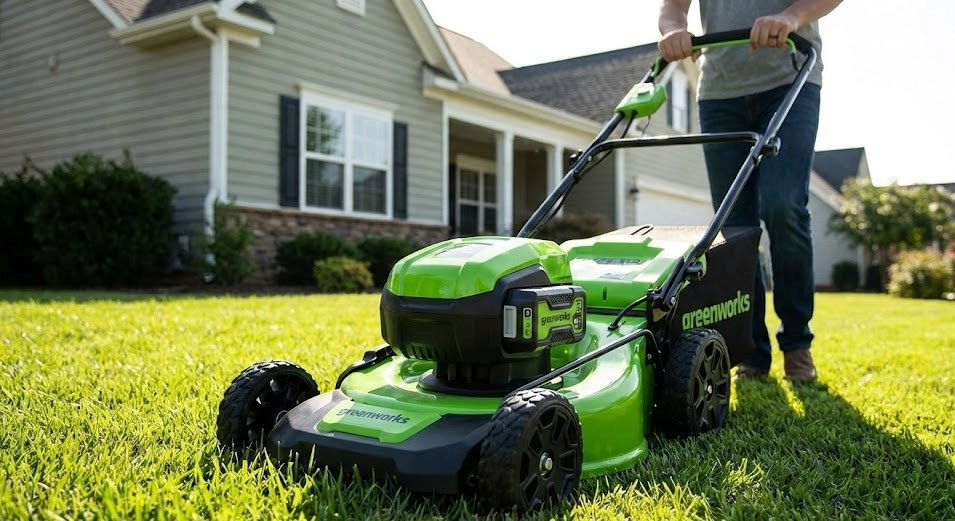
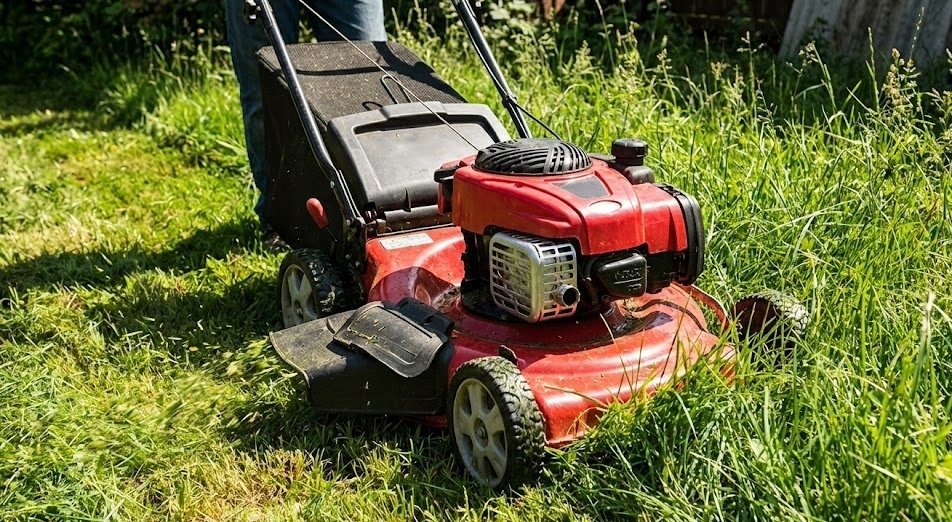
The Power Question: Who Cuts It Better?
Let's start with what most people care about first — can a battery mower actually cut grass as well as a gas mower? The short answer is: for most yards, absolutely yes. The longer answer comes with a few caveats.
Gas mowers are still the king of raw horsepower. Gas mowers are generally about twice as powerful as electric models, which makes a real difference when you're plowing through overgrown grass, weeds, or that soggy patch near the downspout that never seems to dry out. If you've ever let your lawn get away from you for a few weeks in the peak of summer, a gas mower will chew through it without thinking twice.
Battery mowers, on the other hand, have made massive strides. Modern battery-powered mowers use brushless motors with smart-sensing technology that detects resistance and automatically draws more power when needed, keeping the blade speed consistent even in thicker patches. For a lawn that gets mowed regularly — say, once a week during the growing season — a good battery mower will give you an equally clean cut.
Runtime and Yard Size: The Battery's Biggest Limitation
This is where the rubber meets the road (or the blade meets the grass, I suppose). With a gas mower, you fill up the tank and go. When it runs low, you pour in more gas and keep going. Simple.
Battery mowers generally run between 30 and 60 minutes on a single charge, depending on grass conditions, terrain, and the battery's capacity. For a small to average-sized yard — roughly a quarter acre or less — that's usually plenty. You'll finish with battery to spare and never think about it.
But if you're working with a larger property, that runtime limit becomes a real consideration. Nobody wants to be three-quarters done with their lawn and have the mower die. Your options at that point are waiting 60-90 minutes for a recharge or investing in a second battery, which typically costs $100-$250 depending on the brand and voltage.
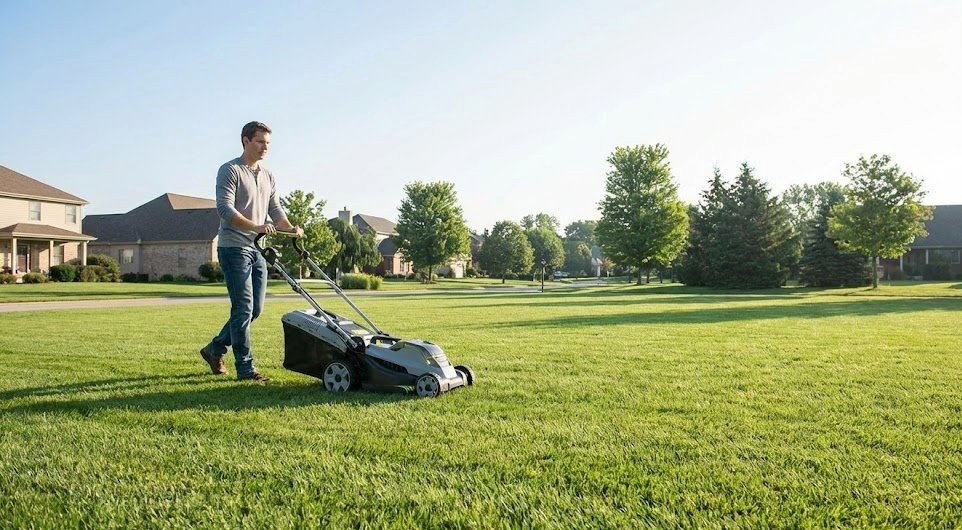
Here's a rough guide based on what I've seen work in practice. Yards under a quarter acre do perfectly fine with a single battery. If you're between a quarter and half an acre, I'd plan on having a second battery on the charger. Over half an acre, and you'll either need multiple batteries or a gas mower starts making a lot more sense from a pure convenience standpoint.
Maintenance: Where Battery Mowers Win Big
If there's one area where battery mowers absolutely dominate, it's maintenance — or more accurately, the lack of it. And as someone who's spent more Saturday mornings than I'd like to admit tinkering with a stubborn gas mower that won't start, this matters more than you'd think.
Gas mowers require regular attention: you need to check oil, replace air filters, swap out spark plugs, clean carburetors, and winterize the machine before storage. Skip any of that and you're the person yanking the pull cord forty times next spring wondering why it won't fire up. (We've all been there.)
Battery mowers? Keep the blade sharp, keep the mower clean, and keep the battery charged. That's essentially the entire maintenance checklist. No oil changes. No fuel stabilizer. No spark plugs. No trips to the gas station with a red plastic can.
Noise: Your Neighbors Will Notice
I'm going to be honest — this one surprised me the first time I used a battery mower. The difference is dramatic.
A typical gas mower runs at around 95 decibels, which is comparable to the sound of a motorcycle, while electric mowers produce about 75 decibels, closer to a running washing machine. That 20-decibel gap might not sound like much on paper, but decibels work on a logarithmic scale — 95 dB is roughly four times louder than 75 dB in perceived sound. The real-world difference is enormous.
With a battery mower, you can mow early in the morning or later in the evening without feeling guilty about waking up the neighborhood. You can have a conversation without shouting. You can hear your phone ring. It's honestly kind of pleasant, in a way that mowing has never been for me before.
An increasing number of municipalities are also putting noise ordinances in place that affect yard equipment. Gas-powered mowers can easily exceed local noise guidelines, while battery-powered models almost certainly won't. If you live in a community with an HOA or tight noise rules, this alone might make the decision for you.
Environmental Impact: It's Not Even Close
If environmental impact is something you weigh in your purchasing decisions, this one is pretty straightforward. Running a gas mower for one hour produces roughly the same amount of emissions as driving a car for 300 miles. That's a startling statistic — your little push mower is a surprisingly significant polluter.
Battery mowers produce zero direct emissions during operation. Yes, there are environmental costs associated with manufacturing lithium-ion batteries, and the electricity you use to charge them comes from somewhere. But the overall environmental footprint is substantially smaller, especially if your electricity comes from renewable sources.
Cost: The Full Picture
Cost is where the comparison gets interesting, because the answer changes depending on your timeframe.
Upfront, gas mowers tend to be cheaper for comparable models. You can find a solid gas push mower for $250-$400. A comparable battery mower often runs $350-$550, with premium models pushing higher. That initial price gap is real.
But the long-term math tells a different story. When factoring in annual maintenance costs and gas prices, electric walk-behind mowers tend to be cheaper to own over time compared to similarly priced gas models. No oil, no filters, no spark plugs, no gas — just a few cents of electricity per charge. The main long-term cost is battery replacement every 3-5 years, which runs $100-$250.
Over a 5-10 year ownership period, a battery mower will likely cost you less in total. But if you're just looking at what you're spending today, gas still has the lower entry point.
| Factor | Battery Mower | Gas Mower |
|---|---|---|
| Upfront Cost | $350–$550+ | $250–$400 |
| Ongoing Fuel Cost | Pennies per charge | $50–$100+/year in gas |
| Maintenance | Minimal — blade and battery | Oil, filters, plugs, winterizing |
| Cutting Power | Great for maintained lawns | Superior for tough conditions |
| Runtime | 30–60 min per charge | Unlimited (refill and go) |
| Noise Level | ~75 dB (washing machine) | ~95 dB (motorcycle) |
| Weight | Lighter, easier to maneuver | Heavier, more substantial |
| Emissions | Zero direct emissions | Significant (equal to 300 mi of driving/hr) |
| Starting | Push-button start | Pull cord (or electric start on some) |
| Best For | Small to mid-size yards, ease of use | Large properties, tough mowing conditions |
Starting and Ease of Use
I know this sounds minor, but hear me out. If you've ever fought with a pull cord on a cold morning — yanking it over and over, adjusting the choke, priming the bulb, wondering if the thing will ever turn on — the push-button start on a battery mower feels like magic. You press a button (sometimes two for safety), and it's running. Every time, instantly.
Battery mowers are also noticeably lighter than their gas counterparts, which makes a real difference over the course of mowing an entire yard, especially if you have hills or tight spaces to navigate. If you or anyone in your household has back or shoulder issues, the lighter weight and absence of vibration is a genuine quality-of-life improvement.
Storage and Winter Prep
When the mowing season ends, gas mowers require a winterization routine — draining or stabilizing the fuel, running the engine dry, checking the spark plug, and storing it properly. Skip these steps and you might be dealing with a clogged carburetor come spring.
With a battery mower, you remove the battery, store it in a cool and dry location (not the freezing garage), give it a charge every couple of months, and you're done. The mower itself just needs a clean-off and it's ready to tuck away. It's one of those small conveniences that adds up over the years.
So, Which Should You Buy?
Here's my honest recommendation after years of experience with both:
Go battery if: Your yard is under half an acre, you mow regularly, you value low maintenance and quiet operation, you're willing to pay a bit more upfront, or you have neighbors close by and care about noise.
Go gas if: You have a large property (over half an acre), your lawn often gets overgrown or has tough terrain, you need unlimited runtime without worrying about battery life, or you're on a tight upfront budget.
For most homeowners with a typical suburban yard, a battery mower is the smarter buy in 2026. The technology has caught up, the long-term savings are real, and the convenience factor is hard to overstate. But gas mowers aren't going anywhere — they still earn their place on bigger properties and in tougher conditions.
Frequently Asked Questions
Can a battery mower handle a half-acre lot?
It depends on the specifics. Most battery mowers run 30-60 minutes per charge, which is enough for a half-acre of flat, regularly maintained lawn if you have one or two batteries. Hilly or overgrown yards will drain the battery faster. If you're right on the edge, investing in a second battery is a smart move.
How long do lawn mower batteries last before needing replacement?
Most lithium-ion mower batteries last 3-5 years with proper care. Store them in a cool, dry place, avoid letting them drain completely, and give them a charge every couple months during the off-season. Replacement batteries typically run $100-$250 depending on brand and voltage.
Are battery mowers really cheaper to operate than gas?
Over time, yes. You eliminate fuel costs entirely, and maintenance expenses (oil, filters, spark plugs) basically disappear. Electricity costs just pennies per charge. The only significant ongoing cost is battery replacement every few years. Over a 5-10 year window, battery mowers typically cost less to own.
Can I use the same battery for other yard tools?
Many major brands — including EGO, Greenworks, Ryobi, and DeWalt — use interchangeable battery platforms. Buy into one ecosystem and you can share batteries across your mower, trimmer, blower, and chainsaw. It's a great way to save money on your overall tool collection.
Is a gas mower better for wet or thick grass?
Generally, yes. Gas mowers deliver more consistent power in demanding conditions and are less likely to bog down. That said, high-end battery mowers with smart-sensing motors are closing this gap quickly. For occasional tough patches on an otherwise well-kept lawn, a quality battery mower will still get the job done.
Whichever direction you go, the most important thing is that you're mowing with a machine that fits your property and your lifestyle. There's no shame in either choice — just make sure it's the right one for your yard.
Got questions about mowers or yard care? Drop me a line — I'm always happy to help a fellow homeowner figure this stuff out.